
- Blog
Island of Elba and the Tuscan Archipelago
Explore Elba and the Tuscan archipelago with tips and insights, enjoy nature, beaches and authentic landscapes, read more now.
According to legend, when Venus, the goddess of beauty, emerged from the beautiful waters of the Tyrrhenian Sea, she dropped seven pearls from the necklace that she wore around her neck, which fell into the sea and became the seven islands of the Tuscan Archipelago”
The Tuscan Archipelago National Park, the largest marine park in Europe as well as part of the Pelagos Sanctuary for marine mammals, includes the islands of Elba, Giglio, Capraia, Montecristo, Pianosa, Giannutri and Gorgona, plus some smaller islands such as Palmaiola, Cerboli, Formiche di Grosseto, Formiche di Montecristo, Formiche di Capraia, Palmaiola and Zanca.
Whether for a whole weekend or just a short trip, the islands of the Tuscan archipelago are a little corner of paradise in which to lose yourself and escape from the chaos of city life.
Let’s discover them together…
Elba Island
Unspoilt places, crystal-clear water, wild nature, but also history, tradition and culture: the Island of Elba is the largest island in the Tuscan Archipelago and the third largest in Italy.
Located just 10 km from the port of Piombino, it is reachable by ferry in approximately one hour, making it an ideal day trip or weekend escape from the Etruscan Coast.
A variety of stunning landscapes, stretching out one after another from one end of the island to the other: from long stretches of beaches to hilly landscapes and picturesque villages. The island of Elba is a true microcosm, with many places of interest, from the sea and its numerous beaches to the ancient towns and the many traditional events that take place during the summer.
It is the perfect place for lovers of relaxation and nature, as well as a true paradise for sports enthusiasts who can enjoy outdoor activities such as sailing, hiking, mountain biking or horseback riding, scuba diving, fishing or golf and tennis lessons.
What Is the History of the Island of Elba?
Elba has been inhabited since prehistoric times and was prized by the Etruscans and Romans for its rich iron ore deposits, which gave Portoferraio its name. In more recent history, the island became famous as the place of Napoleon Bonaparte’s first exile in 1814 and 1815, a period during which he governed the island and left a lasting mark on its culture and architecture. Today, Elba is a destination of extraordinary variety, combining natural beauty, history, outdoor activities and some of the finest beaches in Tuscany.
Main Attractions on Elba Island
The places that definitely merit a visit on the island of Elba are:
- Portoferraio, a city that owes its name to the iron mines which date back to Etruscan and Roman times, was Napoleon Bonaparte’s place of exile, and the villas where he resided can still be visited today: Villa San Martino and Villa dei Mulini.
- Marciana is a small town that retains its medieval layout, with narrow streets paved with the famous Elba stone, narrow houses along alleys filled with flowers, the granite portals of its houses and the tiny squares adorned with fountains.
- Marciana Marina, with its small harbour and pastel-coloured houses, is one of the most picturesque destinations on the island of Elba. Don’t miss the romantic walk to the lovely Borgo del Cotone district, an old fishing village with brightly coloured houses, all perched on cliffs overlooking the sea.
- The Capoliveri coast is the perfect place to enjoy a relaxing holiday by the sea. The largest number of beaches on the entire island of Elba are concentrated here, with something for everyone. Well-equipped beaches if you’re looking for comfort and convenience, are located in Lacona, Madonna delle Grazie, Lido and Naregno. The beaches of Laconella or Remaiolo are much wilder, however, along with the spectacular coves and bays located at Morcone, Pareti and Innamorata.
- Porto Azzurro is a pretty fishing village with a small harbour on the Gulf of Mola.
- Rio Marina is another small fishing village on the eastern side of the island of Elba. The Museum of Elba Minerals and Mining Art is definitely worth a visit. It is situated in the centre of the village, inside the Palazzo del Burò where the mine management offices once stood.
- Campo nell’Elba is nestled between the hills of San Piero and Sant’Ilario. The main town in this municipality is Marina di Campo, an old fishing village that is overrun by visitors during the summer season who head to its enormous fine sandy beach (Spiaggia di Cavoli).
The Best Beaches on Elba Island
Elba has over 150 beaches, ranging from long stretches of fine sand to secluded rocky coves. The most notable include:
- Spiaggia di Cavoli (Marina di Campo), one of the largest and most popular sandy beaches on the island, ideal for families.
- Lacona, a wide bay with calm, shallow waters, perfect for children and swimming.
- Laconella and Remaiolo (Capoliveri), wilder and less crowded alternatives for those seeking a more natural setting.
- Madonna delle Grazie, Lido and Naregno (Capoliveri), well-equipped beaches offering comfort and convenience for a relaxing day by the sea.
- Morcone, Pareti and Innamorata (Capoliveri), spectacular coves and bays on the southeastern coast, among the most beautiful and romantic spots on the island.
- Fetovaia, a stunning crescent of white sand surrounded by pine forest, considered one of Elba’s most scenic beaches.
- Sansone and Sorgente, north of Portoferraio, two pebble beaches with exceptionally clear turquoise water, a favourite among snorkellers.
Activities on Elba Island
Elba is a true paradise for sports enthusiasts and nature lovers alike. The island offers a wide range of outdoor activities:
- Hiking on a well-marked network of trails crossing the island’s interior, with Monte Capanne (1,019 m) as the highest peak and the most rewarding ascent. A cable car also connects the valley to the summit for those who prefer a more relaxed approach.
- Mountain biking on varied terrain ranging from coastal paths to technical inland trails.
- Sailing and boat tours around the island’s many coves and hidden bays.
- Scuba diving and snorkeling in some of the clearest waters in the Mediterranean, with rich marine biodiversity including wrecks, posidonia meadows and abundant fish life.
- Horseback riding, fishing, golf and tennis are all available across the island.Planning a trip to Elba from the Etruscan Coast is easy with Hotel Marinetta as your base. The hotel organises boat excursions to the islands of the Tuscan Archipelago, and the local expert service can help you plan your day trip, from ferry bookings to guided experiences on the island. After a full day of exploration, the hotel’s spa, private beach and pool are the perfect place to recover.
What to Eat on Elba: Local Cuisine
Elba’s cuisine reflects the island’s dual identity: a land of fishermen and farmers, shaped by centuries of self-sufficiency. Fresh seafood is the cornerstone of the local table, with dishes built around the catch of the day. Some specialities to look for:
- Schiaccia briaca, a traditional sweet flatbread made with red wine, raisins, pine nuts and anise, unique to Elba and found in every bakery on the island.
- Polenta di granturco with fish stew, a hearty dish that combines the island’s farming and fishing traditions.
- Octopus and cuttlefish prepared in a variety of ways, from simple grilled preparations to stews with local wine.
- Aleatico dell’Elba DOC, the island’s most celebrated wine, a rich, velvety red made from the Aleatico grape, often served with local cheeses or as a dessert wine. It pairs beautifully with the schiaccia briaca.
How to Reach the Island of Elba
The main gateway to Elba is the port of Piombino, approximately 45 km from Marina di Bibbona. Ferry crossings to Portoferraio take approximately 60 minutes and operate year-round, with increased frequency from April to October.
Hotel Marinetta’s local expert service can help organise day trips to Elba, including boat excursions departing from the nearby coast.
The Best Time to Visit Elba
- May and June offer warm temperatures, uncrowded beaches and the island at its most colourful. Ideal for hiking, cycling and exploring.
- July and August are the peak season: beaches are busy, the sea is at its warmest and the atmosphere is lively. Booking ferry crossings and accommodation well in advance is essential.
- September and October are arguably the finest months to visit. The summer crowds have thinned, the sea remains warm, and the light takes on the golden quality of autumn. An excellent time for outdoor activities and wine tasting, as the Aleatico harvest takes place in late September.
Giglio Island
The island of Giglio is best known for its natural beauty: the crystal-clear emerald sea, with its seabed teeming with fish, is the framed by an area dominated by the low Mediterranean scrubland, which is prevalent with its colours and scents.
Beautiful sandy beaches and secluded coves, ancient paths surrounded by abundant vegetation, breath-taking views, the picturesque harbour of Giglio Porto and the charming medieval town of Giglio Castello make the Island of Giglio a true gem just waiting to be discovered. It is the ideal destination for anyone who likes to get in touch with nature and the unspoilt outdoor environment, the sea, walks, birdwatching, minerals and the fascinating underwater world.
Capraia Island
Harsh and gentle, soft and angular, austere and sunny, barren and green, Capraia is a place filled with contradictions. A wild rock, bathed in dazzling Mediterranean light. The first and only rule is not to be in a hurry. Capraia seduces you with its apparent indolence; it seems to want to conceal its innermost secrets, but then opens up and welcomes you in, hoping not to see you leave too soon.
Montecristo Island
Dark and monolithic, impervious and solemn, the treasure island emerges from the Tyrrhenian Sea cloaked in a mysterious and solitary aura. The Island of Montecristo is one of the most inaccessible and wildest islands in the entire Tuscan Archipelago and also the one furthest from the mainland coast.
Today, it is uninhabited and wild, covered in Mediterranean scrub, and an important place of refuge and rest for migratory birds. The wild goats are the undisputed rulers of the island. Their eating habits have slowly altered the scrubland that was originally present.
The only inlet on Montecristo where landing and mooring is fairly easy is Cala Maestra, on the north-western side of the island. On arrival, you can see the only building on the island, the Watson-Taylor mansion, where there are practically the only trees on the entire island. The valley that overlooks it is one of the largest and the only permanently inhabited area on the island. The wardens reside there, joined by a few forest rangers during the summer season.
Pianosa Island
Pianosa is located south of Elba and almost invisible from afar because it is so flat. Even the vegetation is low-growing, a “garrigue” scrubland, waging a constant battle against drought.
The story goes that in 1553 the island was laid to waste by the pirates, Dragut and Kara Mustafà, who destroyed the Pisan castle, wiped out most of the population and deported the survivors.
Pianosa then remained uninhabited until it became a maximum security prison. This bitter fate has preserved the island from tourist resorts and other economic activities, safeguarding its seabed, which is among the most unspoilt in the Mediterranean.
Giannutri Island
Giannutri rises up from the waters of the Tyrrhenian Sea like a white crescent of limestone. Rocky cliffs dominate the eleven kilometres of coastline, dotted with caves and fissures caused by the action of the wind. The only landing points on the island, Cala Spalmatoio and Cala Maestra, have two small pebble beaches.
It is surrounded by beautiful seabeds rich in biodiversity, where dolphins and minke whales frequently swim. There is no natural water source and the few dwellings present are located around the small harbour and scattered in the scrubland. Visitors and hiking enthusiasts will be captivated by the beautiful landscape and rewarded with stunning scenery as they follow the various paths along the offshoots towards Monte Mario and Poggio Capel Rosso.
Gorgona Island
Gorgona is the smallest of the islands in the Tuscan Archipelago National Park.
The mountainous territory on the western side culminates in Punta Gorgona, while the eastern side is criss-crossed by three small valleys, the northernmost of which runs down to the sea at the small beach and the village where the Cala dello Scalo landing is located.
Despite the lack of watercourses, the island is self-sufficient thanks to the presence of deep, productive wells. The main centre of the island is a small village laid out around the small port. If you venture inland, you will come across two ancient fortifications: the Torre Vecchia built by the Pisans, and the Torre Nova built by the Medici.
You may also like
Getting Around Without a Car in Marina di Bibbona
Tourist train, shuttle bus, coastal bike paths and more: how to explore Marina di Bibbona and the Etruscan Coast without a car from Hotel Marinetta.
Day Trip to the Terme di Sassetta from Marina di Bibbona
The Terme di Sassetta, 40 minutes from Hotel Marinetta: thermal pools and nature in the Val di Cornia. A perfect wellness day trip from the Etruscan Coast.
Bike Itineraries On The Etruscan Coast
Explore scenic bike itineraries along the Etruscan Coast with sea breeze and historic charm, plan your ride now with Hotel Marinetta.
Medieval Villages to Visit in Tuscany
Visit the most beautiful medieval villages in Tuscany with Hotel Marinetta, experience history among alleys and views, book your experience now.
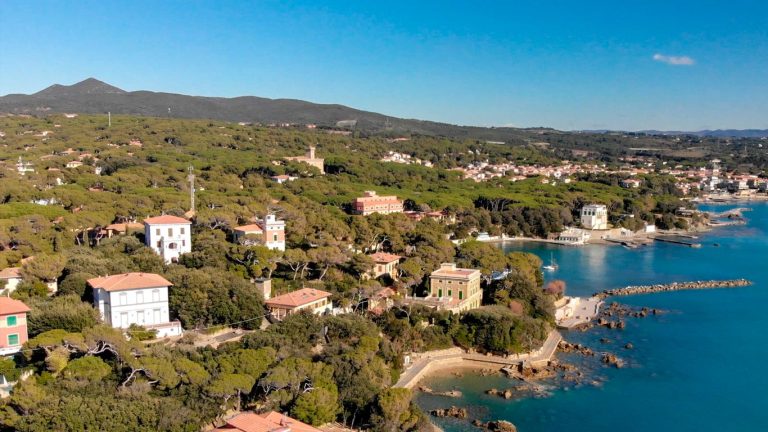
The best of the Etruscan Coast
Come and discover the beauty of Marina di Bibbona and the best itineraries for the Etruscan Coast
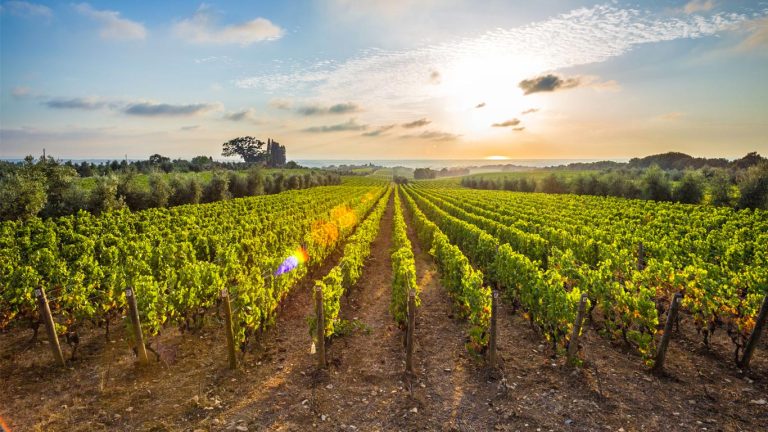
Bolgheri: a Guide to the Wine-producing Area
Discover Bolgheri wines with our complete guide, explore vineyards and taste fine selections, plan your wine experience now.